
- Home
- Primary Structural C…
- Cross-shaped steel s…
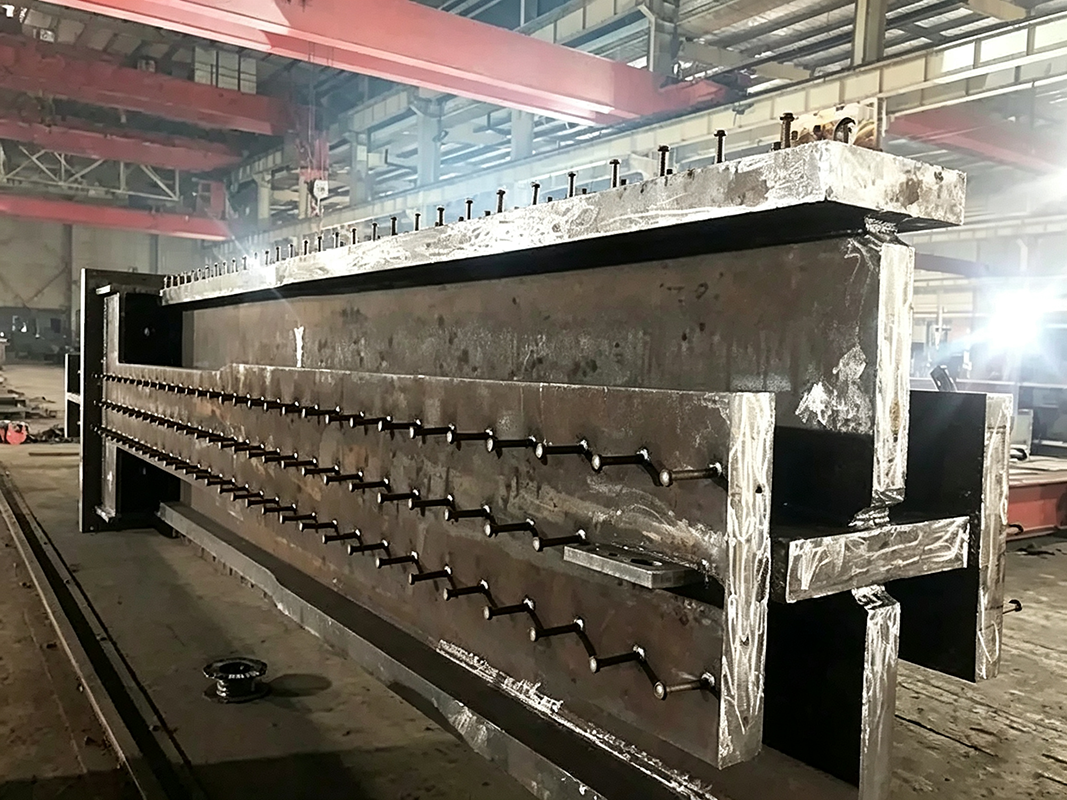
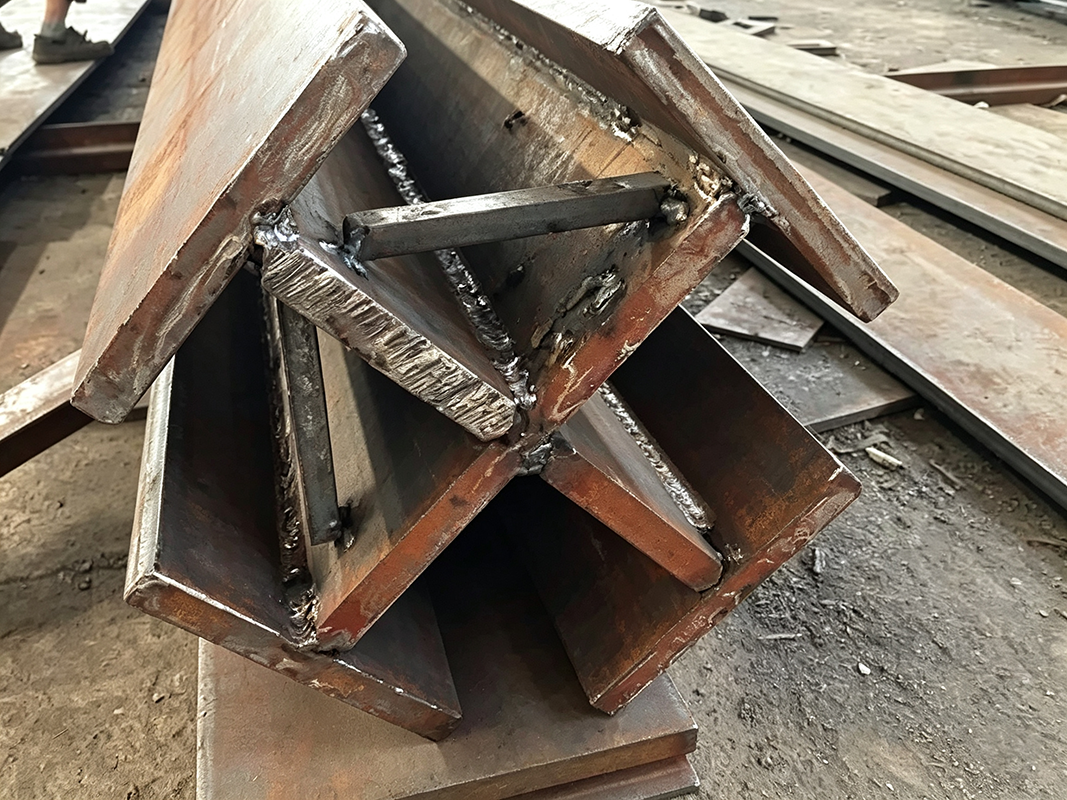
Cross-shaped steel structure
Applicable Scenarios: Heavy-duty factory columns: In heavy machinery plants and metallurgical workshops with large crane loads (lifting capacity ≥ 100 tons) and spans ≥ 30 meters, cross-shaped columns can serve as frame columns. Their bidirectional load-bearing capacity adapts to the combined effects of horizontal braking force and vertical loads from cranes, while their torsional resistance reduces structural vibration. Support columns for large stadiums: Grandstand columns or roof beam support columns for gymnasiums and convention centers. Cross-shaped columns can meet both vertical load-bearing and horizontal lateral displacement requirements, and their cross-sectional shape facilitates connection with beams, trusses, and other components. In high-rise buildings with more than 30 stories, cross-shaped columns can serve as the main vertical load-bearing components of the outer frame. Their bidirectional cross-section can simultaneously resist horizontal forces in two directions (wind loads and seismic forces), reducing component cross-sectional dimensions and saving building space (lighter and thinner than square columns). When the functions of upper and lower floors change (e.g., commercial space at the bottom, residential space at the top), and loads need to be transferred through a transfer floor, cross-shaped columns can serve as support columns for the transfer floor, utilizing their high stiffness to adapt to sudden load changes.
Categories: Primary Structural Components
Cross-Shaped Columns
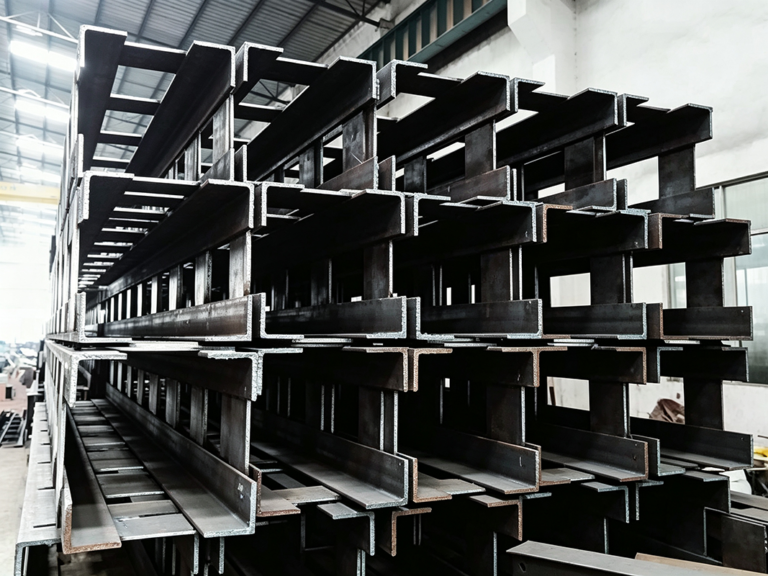
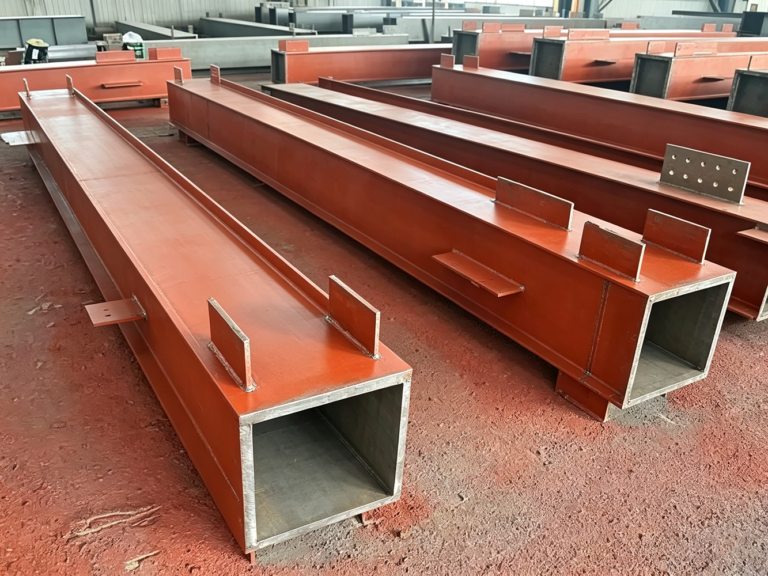
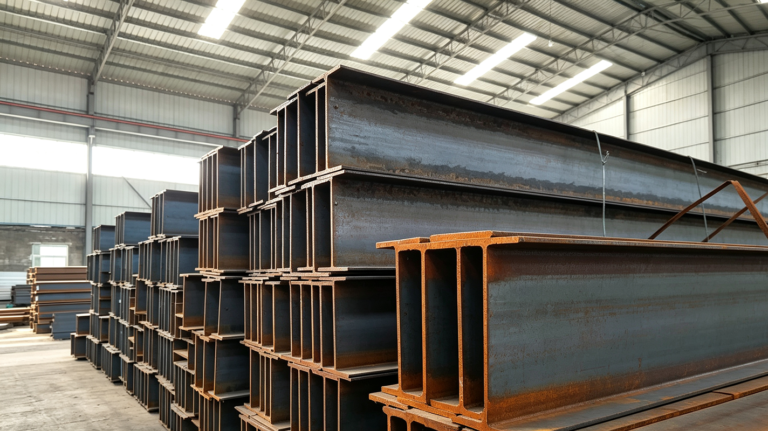
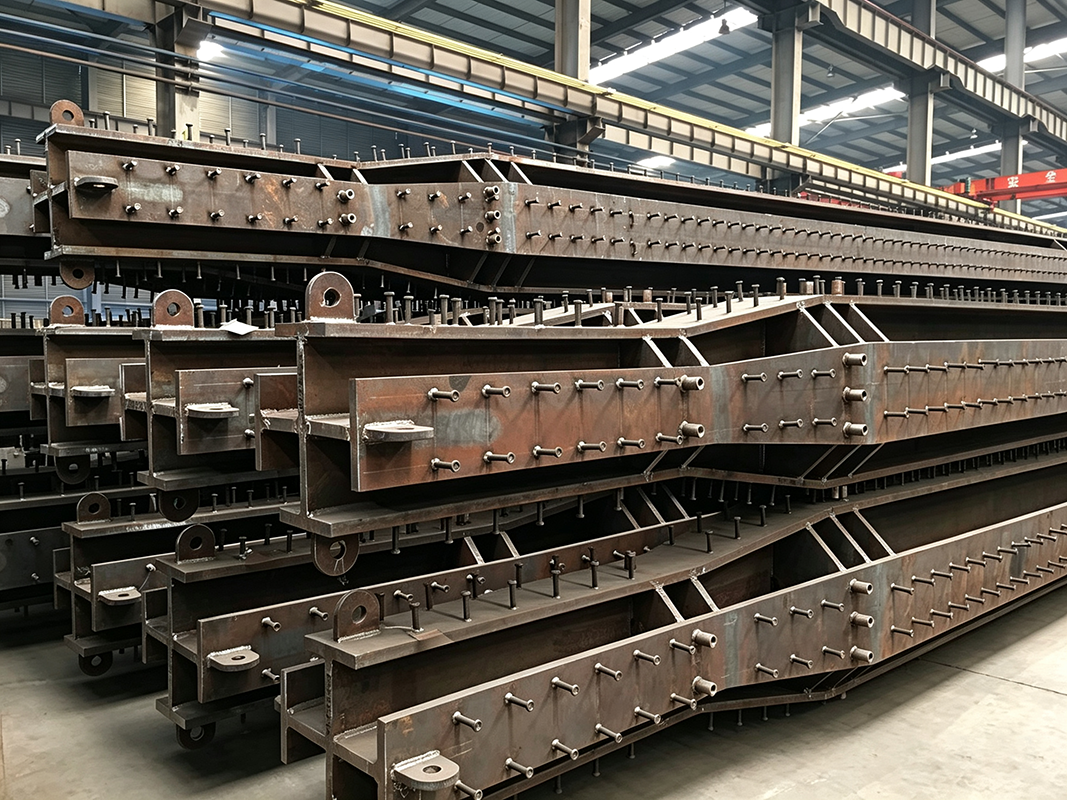
A cross-shaped column is a highly efficient structural member featuring a specialized cross-section composed of an intersecting web and flanges. Widely used in multi-story steel structures, high-rise buildings, and heavy industrial facilities, it provides exceptional multi-directional stability and balanced load distribution.
- High-Grade Steel Selection: Fabricated from premium structural steel utilizing hot-rolled H-beams or heavy welded steel plates, offering high strength, durability, and excellent weldability.
- Precision Automated Welding: Joined via full-penetration automated welding (SAW/GMAW) to unify the webs and flanges into a seamless, high-integrity column structure.
- Hot-Dip Galvanizing & Protective Coating: Finished with hot-dip galvanizing or C5-M marine-grade painting to drastically boost corrosion resistance, seismic durability, and weather endurance.
- Industrial Plants: Serves as primary framing columns and heavy machinery support posts capable of resisting severe dynamic vibrations.
- High-Rise & Public Buildings: Provides essential vertical support that enhances overall structural stability while supporting sustainable, energy-efficient building requirements.
- Bridge Construction: Ideal for piers and support towers, reducing overall self-weight while accommodating wide spans and dynamic traffic loads.
- Petrochemical Industry: Supports multi-tier pipe racks and heavy processing equipment reaching tens of meters high, ensuring long-term stability in harsh chemical environments.
- Custom Engineering Specs: Dimensions including width, height, plate thickness, cross-sectional area, and linear weight are fully customized to match Tekla 3D models and structural engineering requirements.
- Bi-Axial Structural Stability: Symmetrical geometry prevents localized buckling and ensures equal load resistance across both principal axes.
- Efficient Field Construction: Standardized fabrication and simple connection details simplify handling and erection, significantly reducing construction timelines and site labor costs.