
- Home
- Primary Structural C…
- Pipe & Lattice …
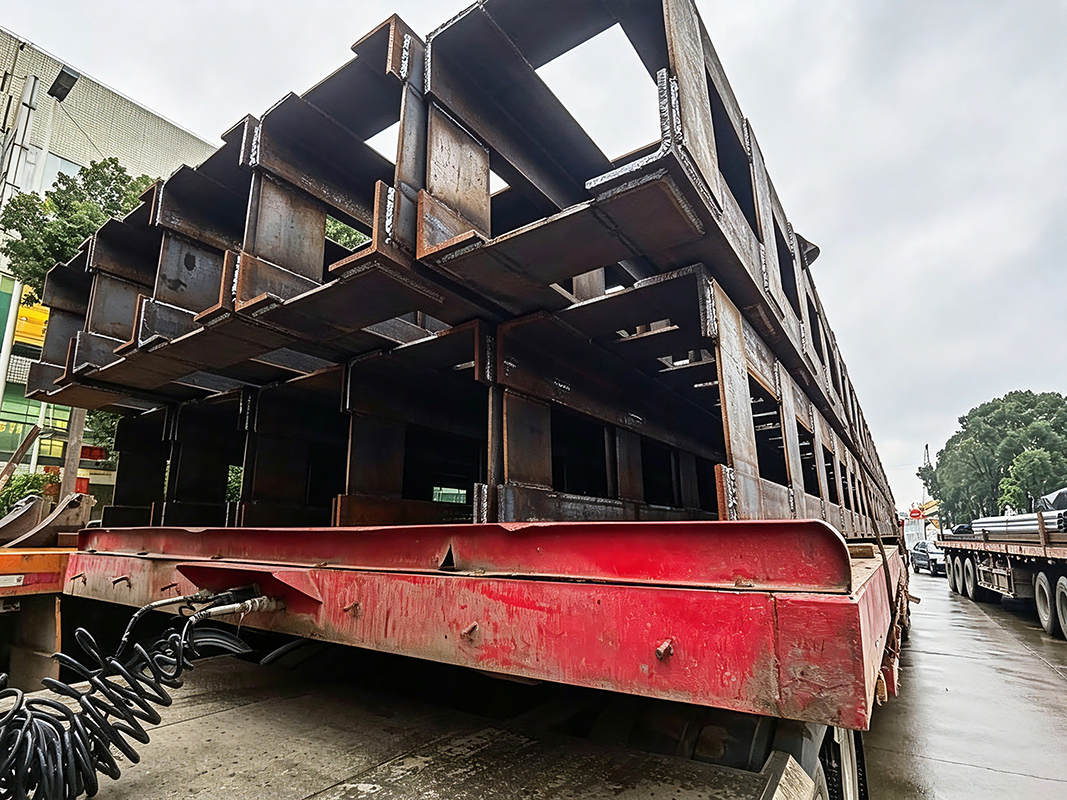
Pipe & Lattice Columns
Applicable scenarios: Lattice columns are widely used in large-span factory buildings in industries such as heavy machinery manufacturing, automobile manufacturing, and metallurgy; for high-rise factory buildings in industries such as pharmaceuticals and electronics, lattice columns are ideal vertical load-bearing components; lattice columns are often used in mega-frame structure systems in super high-rise skyscrapers; for large-span public buildings such as stadiums, exhibition halls, and convention centers, where space requirements are large, the structural forms are mostly trusses, space frames, etc.; when constructing buildings in areas with complex geological conditions and low foundation bearing capacity, such as soft soil foundations and collapsible loess areas, lattice columns are often used as pile foundations.
Categories: Primary Structural Components
Lattice Columns
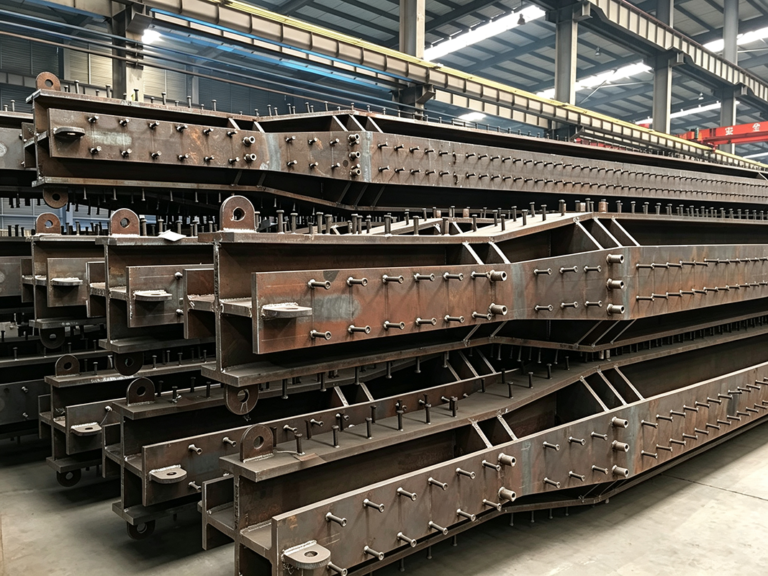
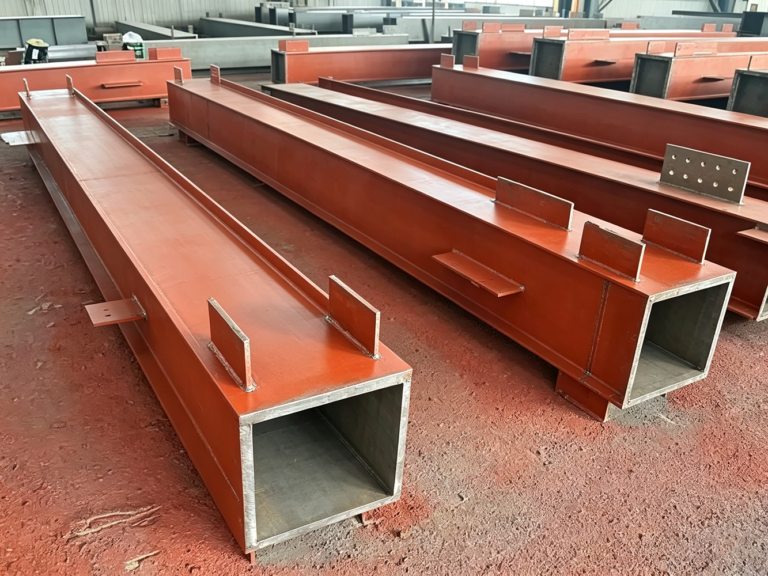
A lattice column is a specialized structural column engineered with a material area distributed further away from the axis of inertia. This design significantly enhances bending resistance while maintaining axial strength and reducing overall material consumption.
- Main Members & Lacing: Composed of main chord members (bearing primary axial forces) and lacing members/battens (resisting lateral forces) working together for combined stability.
- Symmetrical Geometry: Main members are typically fabricated from shaped steel sections or steel plates, featuring biaxially or uniaxially symmetrical cross-sections.
- Bracing Integration: Utilizes steel lacing strips or batten plates to connect members, significantly boosting lateral stiffness and overall structural coherence.
- Large-Span Factory Buildings: Provides superior superstructure support to maximize stability and load capacity over vast open spans.
- High-Rise Industrial Facilities: Resists severe wind shear and seismic forces through exceptional bending and compressive strength.
- Heavy Industrial Plants: Delivers robust vertical and horizontal support tailored for heavy machinery installation and dynamic loads.
- Poor Geological Foundations: Expands foundation contact area to improve overall bearing capacity and soil interaction stability in weak soils.
- Custom Process Layouts: Highly customizable framework adaptable to complex architectural and specialized industrial layout requirements.
- Material Preparation: Selecting specified steel profiles and plates according to design requirements, followed by cutting and surface pre-treatment.
- Precision Welding & Assembly: Assembling components according to drawings with strict weld quality control to prevent cracks and slag inclusions.
- Rigorous Quality Inspection: Performing strict dimensional checks and non-destructive weld testing to guarantee compliance with engineering standards.
- On-Site Erection & Fixing: Transporting and securing columns on-site with precise alignment and verticality control for structural integrity.
- Reasonable Design: Fully account for stress profiles, environmental exposure, and specific load conditions during the design phase.
- Material Selection: Exclusively utilize certified, high-strength structural steel adhering to international standard specifications.
- Execution Standards: Strictly enforce fabrication and erection specifications to eliminate structural vulnerabilities and safety risks.
- Routine Inspection & Maintenance: Perform periodic field inspections and preventative maintenance to ensure long-term, stable operation.